Why did artists leave the cities for villages on the coast, in the moors and in the forests? EuroArt, the European Federation of Artists’ Colonies, brings together the places where this story began and where it continues today. Find out what makes an artists’ colony, how EuroArt came to be and who is behind it.
How did the artists’ colonies develop?
Artists’ colonies came into being in the first half of the 19th century. Painters in particular left the cities for the countryside to work outdoors, surrounded by nature. They longed for a simpler life, away from the frames and standards set by the art academies, and life in the countryside was relatively cheap.
Painting outdoors, so-called plein-air painting, changed everything. The landscape was no longer just a backdrop but became the subject of the artists’ work. French painters, and later foreign ones, went to Barbizon in the woods of Fontainebleau and to Grez-sur-Loing further south. They also went to places like Pont-Aven and Concarneau on the Brittany coast, where life was even rougher and more basic. After Barbizon, artists’ colonies, both small and large, sprang up all over Europe, in England, Germany, Belgium, the Netherlands, Denmark, Russia, Hungary and Switzerland, among others.
The artists were also fascinated by the local people of rural and seaside towns. They brought friends from many disciplines: writers, poets, composers, people from the music industry and the theatre world and, in their wake, art critics and collectors. The colonies became meeting places, and some developed into communities with idealistic ideas. Once the colonies began to be written about, they attracted so many tourists that they lost their original charm.
After the First World War, most artists’ colonies of the old kind lost their appeal, as people no longer wanted to paint landscapes or farming life. Yet the renewal of artistic style remained firmly rooted in the colonies. As forerunners and pioneers of Realism, Impressionism, Symbolism, Pointillism, Divisionism, Fauvism, Surrealism and Expressionism, they renewed European and international art. Today, many of the old artists’ colonies have survived and are blossoming in new ways.
EuroArt connects these places and brings together their history and their inspiration today.
What makes an artists’ colony?
EuroArt understands an artists’ colony as follows:
- It is a place or municipality with a European dimension in the field of art.
- It is located in Europe and developed in the course of the 19th and 20th centuries.
- The colony and/or municipality was not restricted to painting, graphic art and drawing, but is equally open to literature, music, sculpture, theatre, dance and other arts.
- Several artists were attached to the colony.
- It was characterised by sustained commitment.
- The artists’ associations were mainly active in the countryside.
- The artists’ associations also shaped the identity of the municipality or town.
Vision, Mission & Values
EuroArt connects the heritage of artists’ colonies with the creativity, collaboration and ideas that shape Europe’s future.
Who we are
EuroArt – the European Federation of Artists’ Colonies – is a non-profit organisation that brings together artists’ colonies, artists’ villages and culturally significant places across Europe. We see them as living cultural spaces where history, creativity and different perspectives meet, and where people can discover, experience and engage with art and culture today.
Our vision
A Europe in which artists’ colonies are recognised as living cultural spaces where artistic heritage, contemporary creativity and European cooperation come together. These places are sources of creativity, dialogue and discovery. They strengthen cultural identity and diversity and contribute to a more open, connected and sustainable Europe.
Our mission
EuroArt connects, represents and strengthens Europe’s artists’ colonies and their cultural communities. We:
- preserve and promote their shared artistic heritage,
- support contemporary creativity, knowledge exchange, research and international cooperation,
- create opportunities for members to meet, learn from one another, develop joint projects and reach new audiences across borders,
- increase the visibility, accessibility and cultural impact of artists’ colonies by connecting municipalities, museums, artists and cultural organisations.
Through our network, we strengthen cultural understanding and European dialogue, creating lasting value for our members and the communities in which they are rooted.
Our values
- Democracy: participation and the freedom to exchange ideas and perspectives
- Tolerance: respect for differences in culture, tradition and opinion
- Diversity: Europe’s cultural and artistic diversity as a source of creativity and understanding
- Openness: to new ideas, generations, disciplines and forms of expression
- Mutual respect: working together as equal partners, respecting each member’s expertise and autonomy
- European cooperation: cross-border exchange and shared responsibility strengthen our members and the European cultural space
How EuroArt began
EuroArt was founded in 1994 in Brussels by five artists’ colonies: Barbizon, Tervuren, Worpswede, Ahrenshoop and Kronberg. From the beginning, it was important to include the countries of Eastern Europe. Other artists’ colonies were quickly reactivated, and many rural regions rediscovered their cultural heritage and presented themselves with new self-confidence.
The 2001 exhibition at the Germanisches Nationalmuseum in Nuremberg gave the movement its scientific foundation. From it grew the Scientific Advisory Committee (SAC), which still advises artists’ colonies today on the discovery and presentation of their cultural treasures.
What makes EuroArt special is personal commitment: visits, contacts, joint projects and exhibitions allow members to experience Europe on a cultural level. The annual General Meeting and the Regional Meetings, each hosted by one of the member colonies, create lively exchange and personal bonds that strengthen the European idea.
The Council of Europe
In February 2021, EuroArt was granted participatory status with the Council of Europe, which described the federation as “a unique European network working towards greater cultural understanding and cooperation”.
As a recognised representative of the cultural and creative sector of civil society, EuroArt is invited to contribute to the work of the Council of Europe. The Council was founded in 1949, in the aftermath of the Second World War, to build a “lasting peace”. EuroArt has been entrusted with the responsibility to collaborate with this historic institution.
Team EuroArt
Steering Committee (period 2025-2029)

Secretary General
Vincent TUIJP
Edam-Volendam, NL
vincent.tuijp@euroart.eu
Vice President
Pierre BEDOUELLE
Barbizon, FR
pierre.bedouelle@euroart.eu
Margot JONGEDIJK
Nunspeet, NL
margot.jongedijk@euroart.eu
Michael FUHR
Flensburg, DE
michael.fuhr@euroart.eu
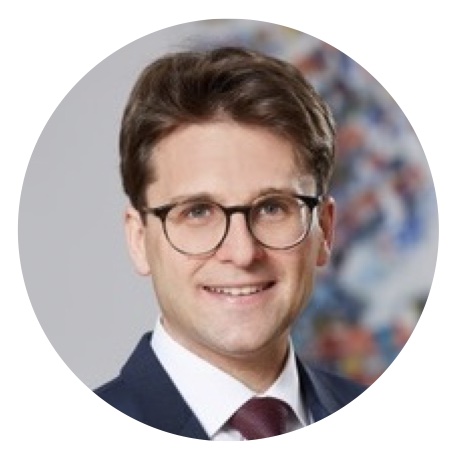
President
Florian HARTMANN
Dachau, DE
florian.hartmann@euroart.eu
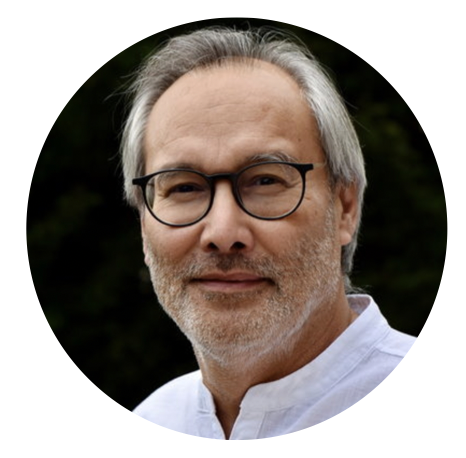
Treasurer
Eric SCHAFTLEIN
Cernay-la-Ville, FR
eric.schaftlein@euroart.eu
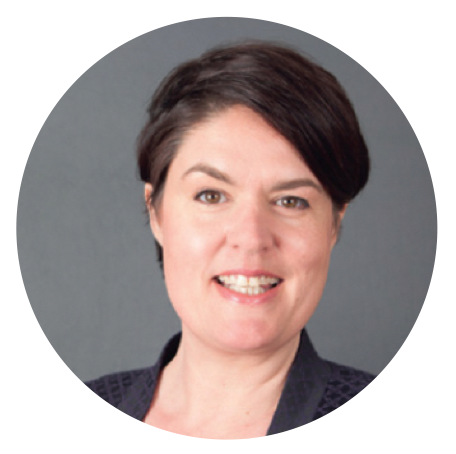
Annette WINTER-SÜSS
Schwaan, DE
annette.winter-suess@euroart.eu
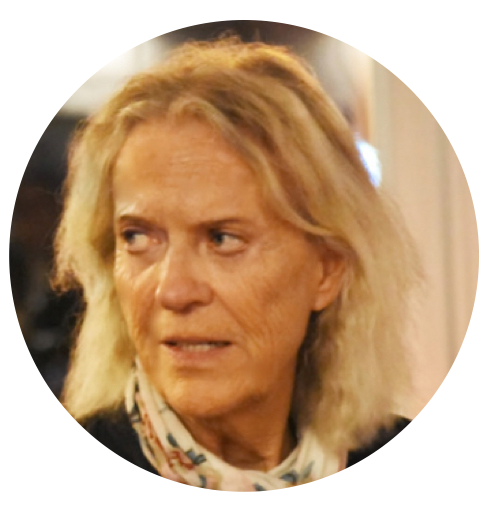
Permanent invitee
Francisca VAN VLOTEN
Domburg, NL
francisca.vanvloten@euroart.eu
Office Staff

Management Office
Birte HÖLSCHER
Worpswede, DE
birte.hoelscher@euroart.eu
Scientific Advisory Committee
Chair
Francisca VAN VLOTEN
Domburg, NL
francisca.vanvloten@euroart.eu
Eva FRELLESVIG
Faaborg, DK
Henning REPETZKY
Heikendorf, DE
henning.repetzky@web.de
For more information about the SAC see page > The Scientific Advisory Committee (SAC)
How to contact us:
Go to > contact form
or send us an E-Mail: office@euroart.eu