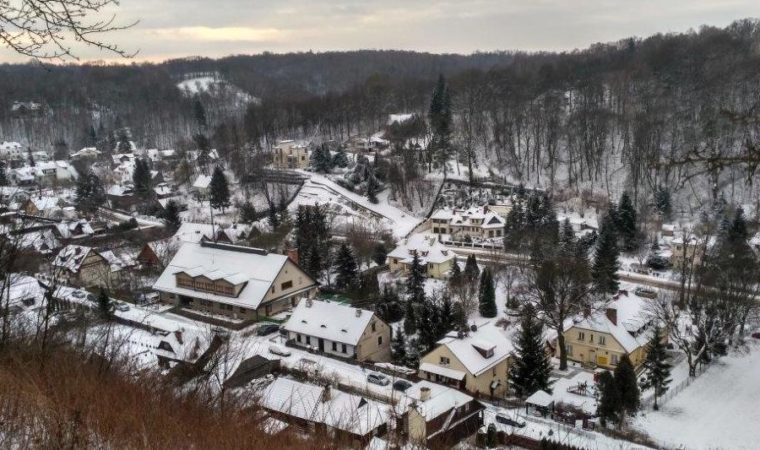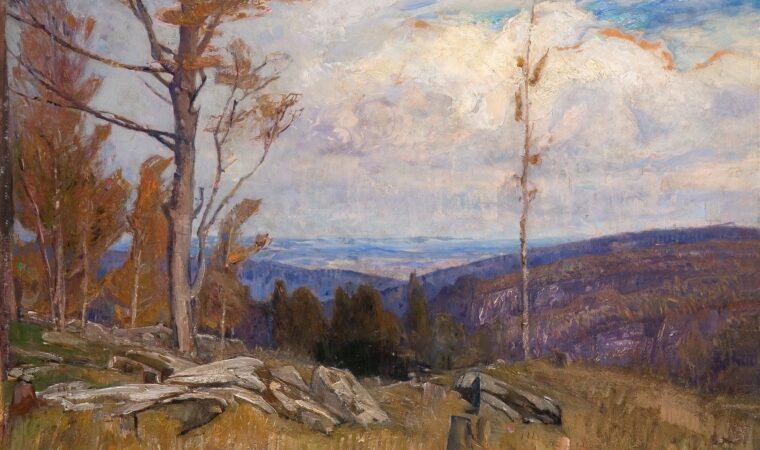


At the turn of the 20th century, Szklarska Poręba became a destination for artists drawn to the wild beauty and distinctive light of the Karkonosze Mountains. Painters and writers inspired by nature, symbolism, and local legends soon formed an art colony that became an integral part of the region’s identity.
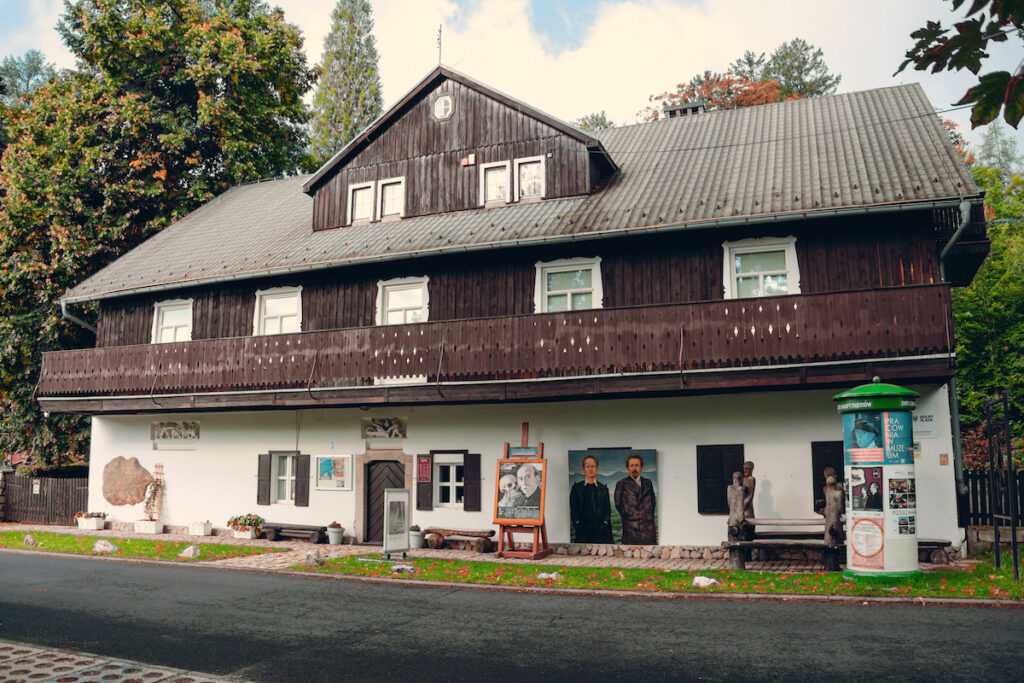
At its center stood the House of Carl and Gerhart Hauptmann – today a branch of the Karkonosze Museum. The growing fame of Gerhart, later a Nobel Prize laureate, and the charisma of his brother Carl, author of the Mountain Spirit’s Book (Rübezahlbuch), attracted cultural and artistic figures from across Germany and Europe. Their home quickly evolved into a lively meeting place filled with creative energy. Literary gatherings, artistic discussions, and poetic evenings shaped an atmosphere of intellectual exchange and lasting inspiration.
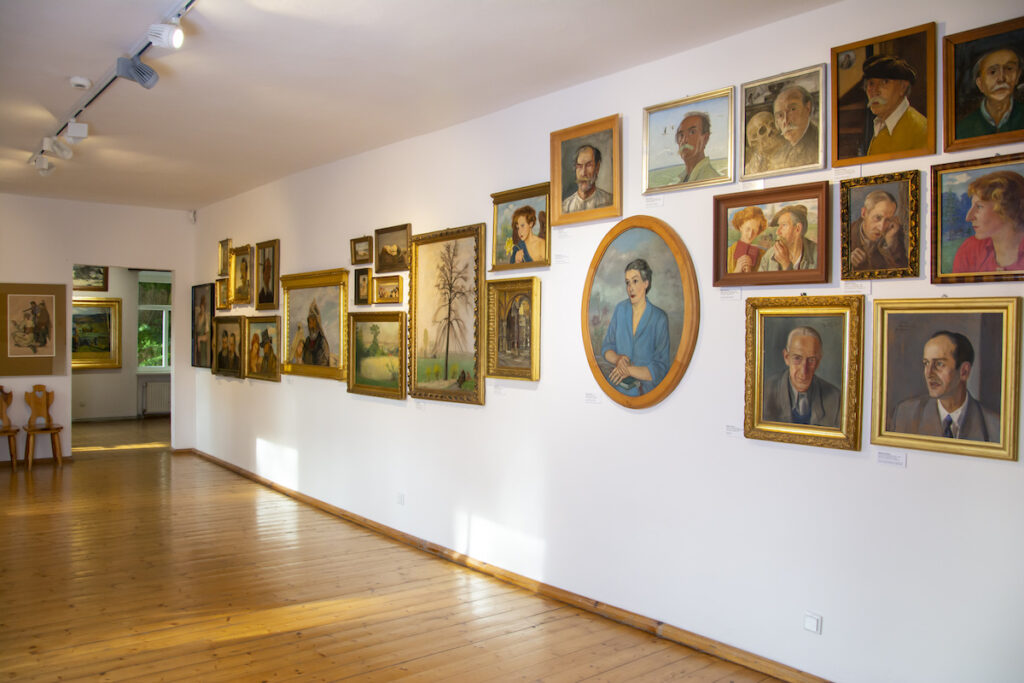
Today, the House of Carl and Gerhart Hauptmann preserves the spirit of the former colony. It holds memorabilia connected to the writers, a significant collection of Karkonosze landscapes created by members of the St. Luke’s Art Association, numerous works by Wlastimil Hofman, and pieces by contemporary artists. As an active cultural center, it continues to host exhibitions, literary events, and artistic gatherings – keeping the mountains’ creative legacy alive.
The St. Luke’s Art Association in Upper Szklarska Poręba was formally founded in 1922. An old mill was renovated for exhibitions and later became the group’s headquarters, known as St. Luke’s Mill.
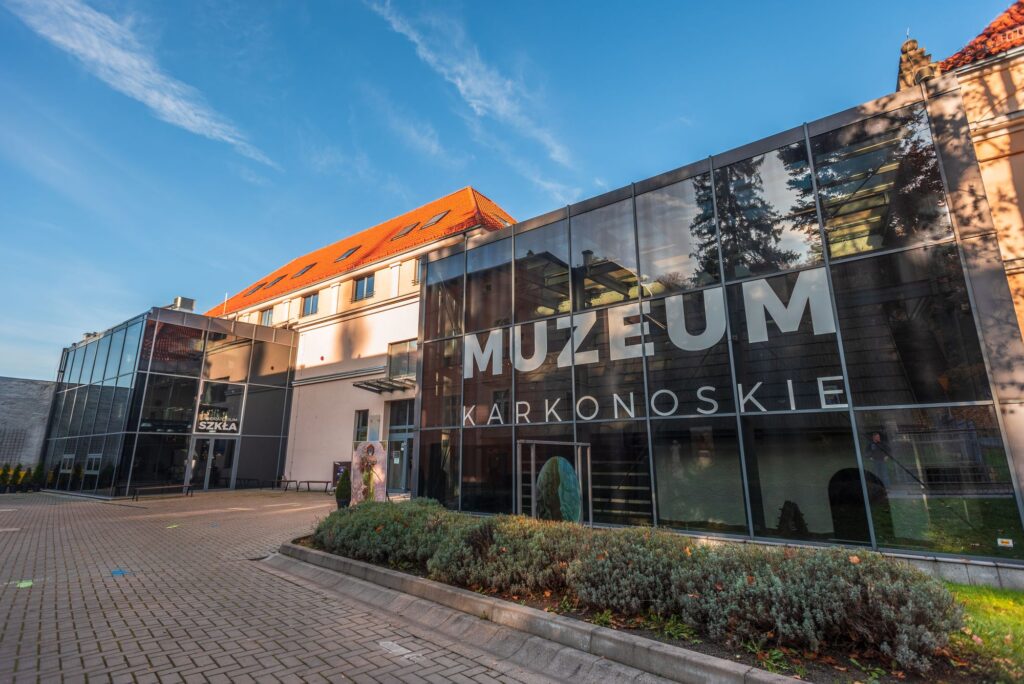
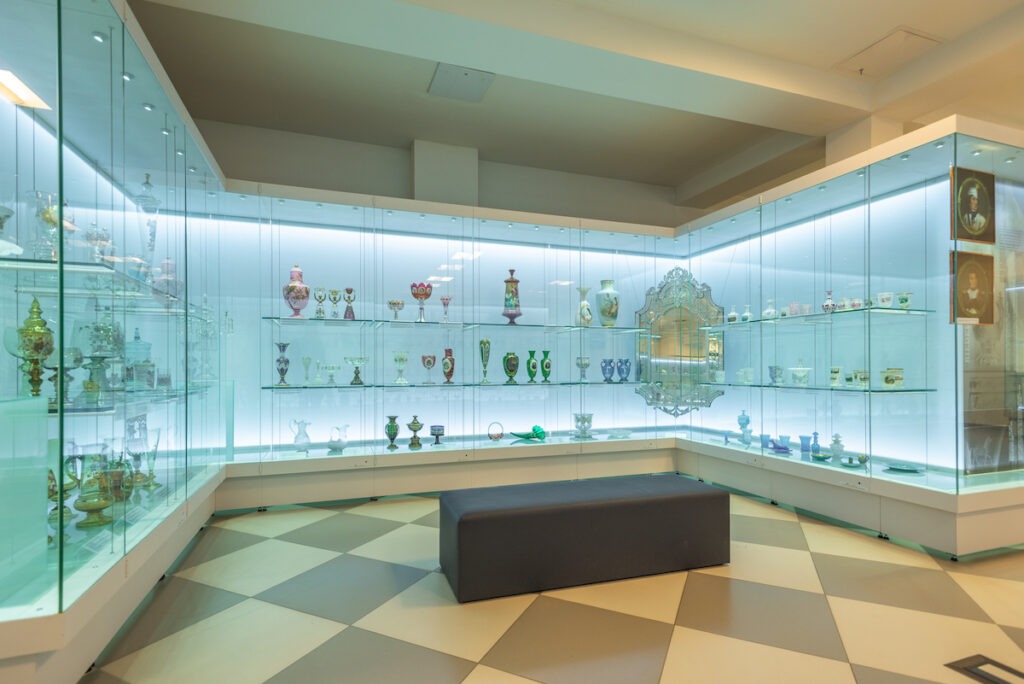
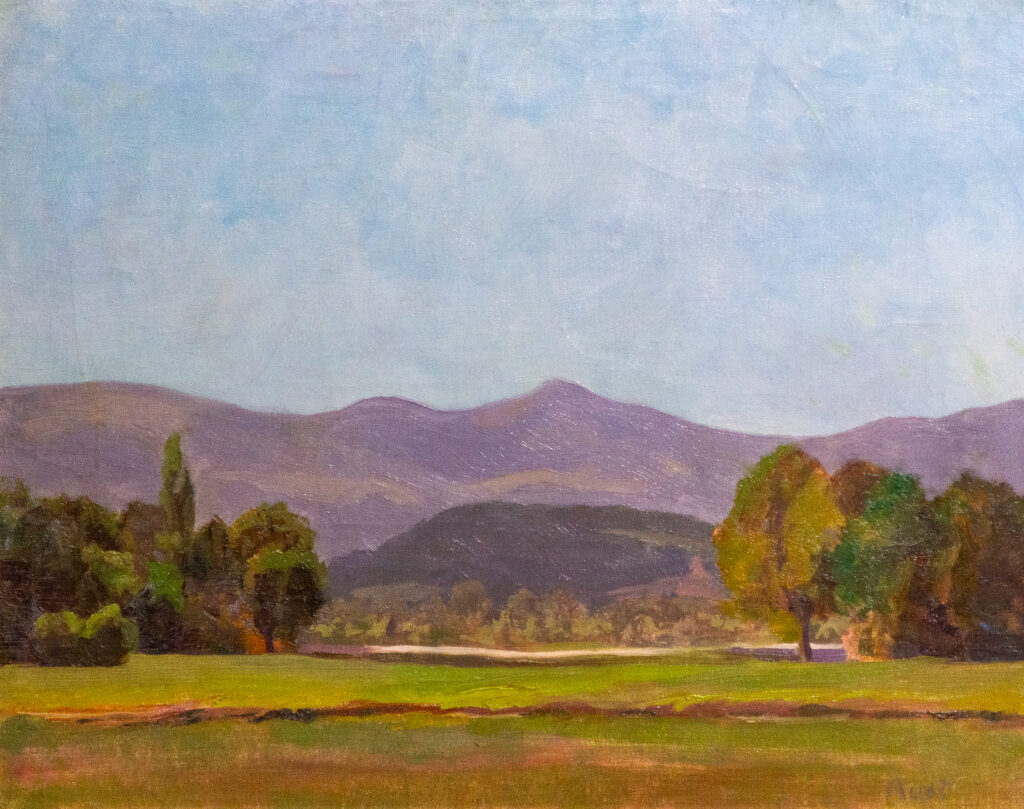
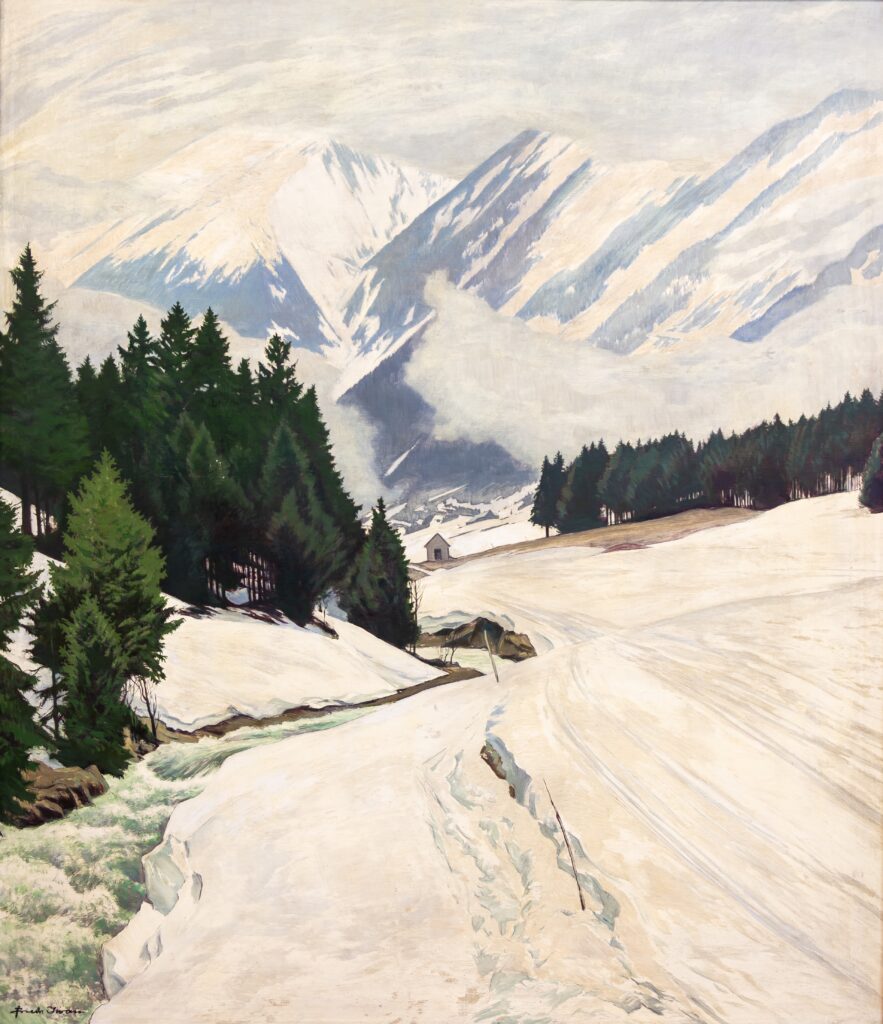
For more than a century, the Karkonosze Museum in Jelenia Góra has documented and protected the cultural heritage of the region. It preserves the artistic legacy of Karkonosze landscape painters, many of whom shaped the Szklarska Poręba colony after World War I. The museum’s collections include works by Alfred Nickisch, Franz von Jackowski, Paul Aust, and Friedrich Iwan, alongside documents, photographs, and archival materials that illuminate the colony’s rich history.