
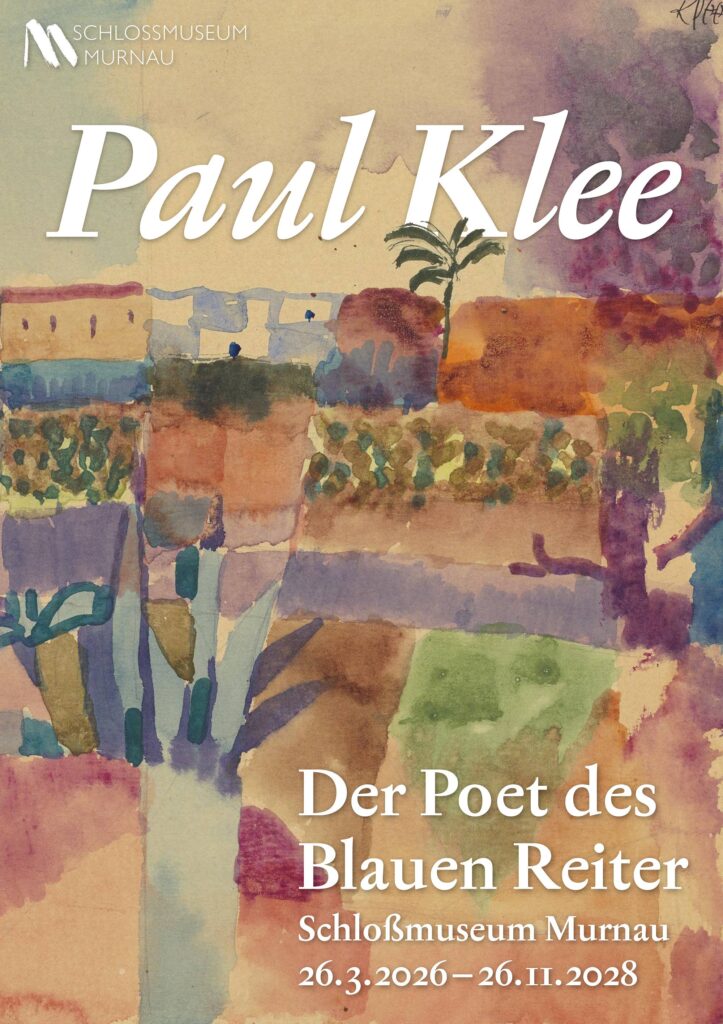
PAUL KLEE. The Poet of Der Blaue Reiter
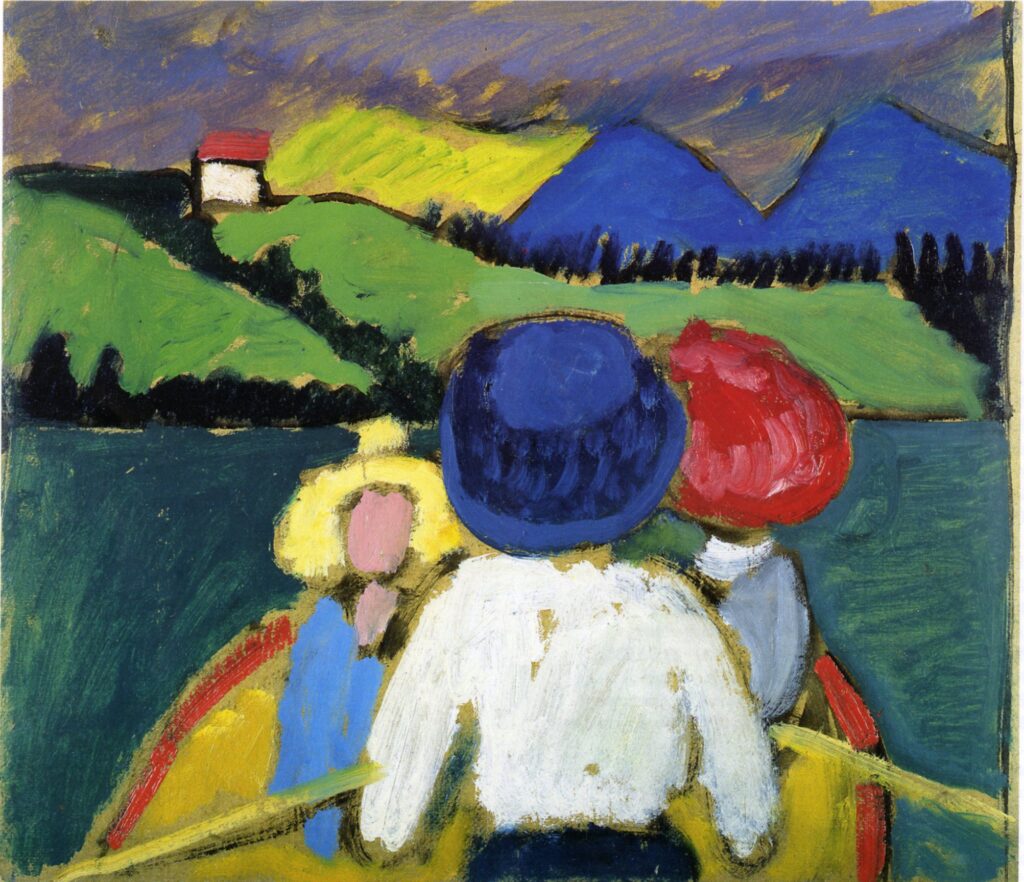
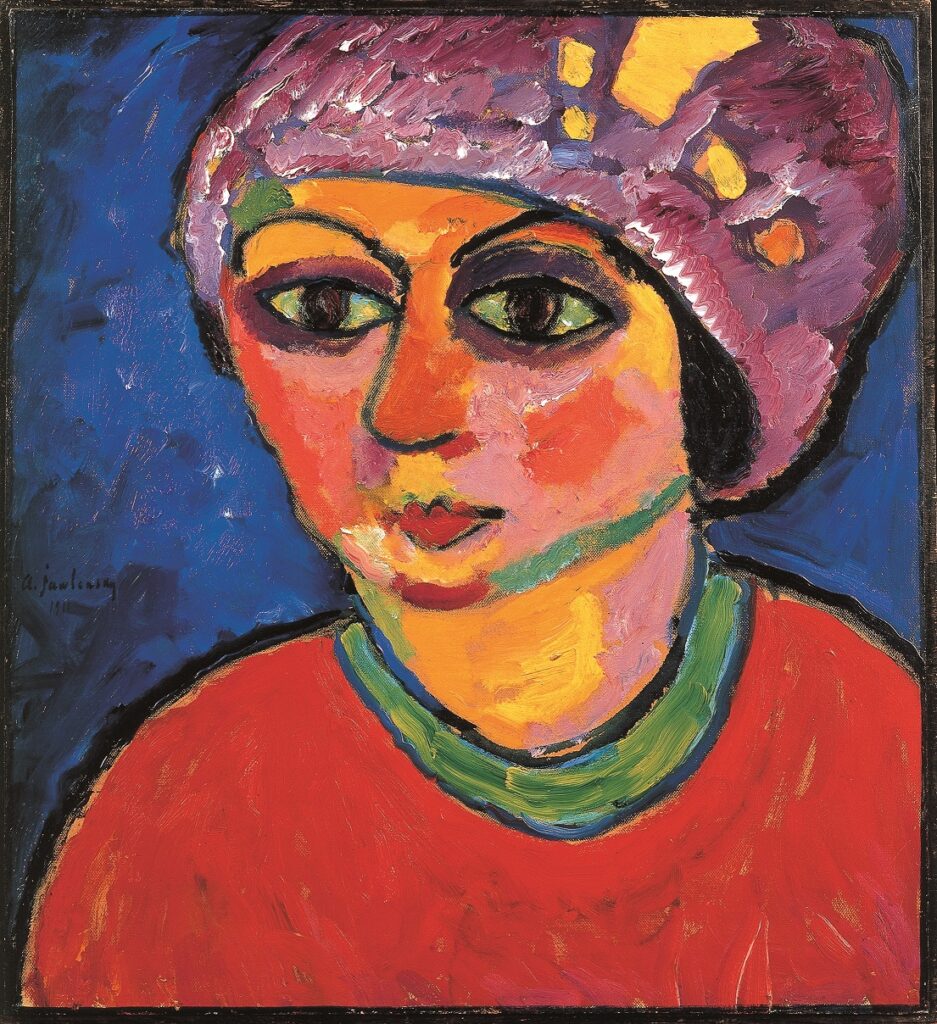
On 1 July 2023, on the occasion of the museum’s 30th anniversary, the KK-Stiftung Murnau handed over its Blaue Reiter collection to the Schloßmuseum Murnau as a long-term loan. The works originate from the close context of the legendary painting stays in Murnau by Gabriele Münter, Wassily Kandinsky, Marianne von Werefkin and Alexej von Jawlensky between 1908 and 1910. Like those by Franz Marc, August Macke, Heinrich Campendonk and Alfred Kubin, they relate directly to the events surrounding the editorial meetings and the publication of the almanac Der Blaue Reiter in 1911, and they rank among the principal works of German Expressionism.
These works are now placed in dialogue with the oeuvre of Paul Klee, who occupies a special position among the artists of Der Blaue Reiter. The couple who transferred their Blaue Reiter collection to the KK-Stiftung have additionally made selected works from their Paul Klee collection available for this special exhibition.
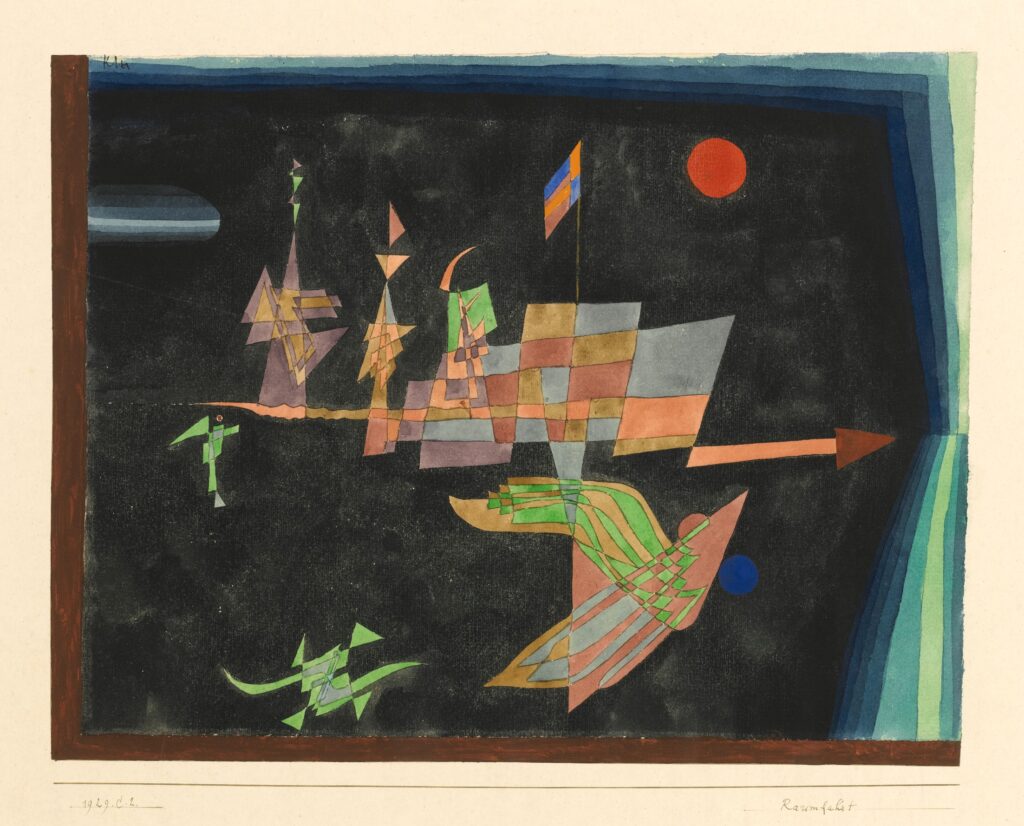
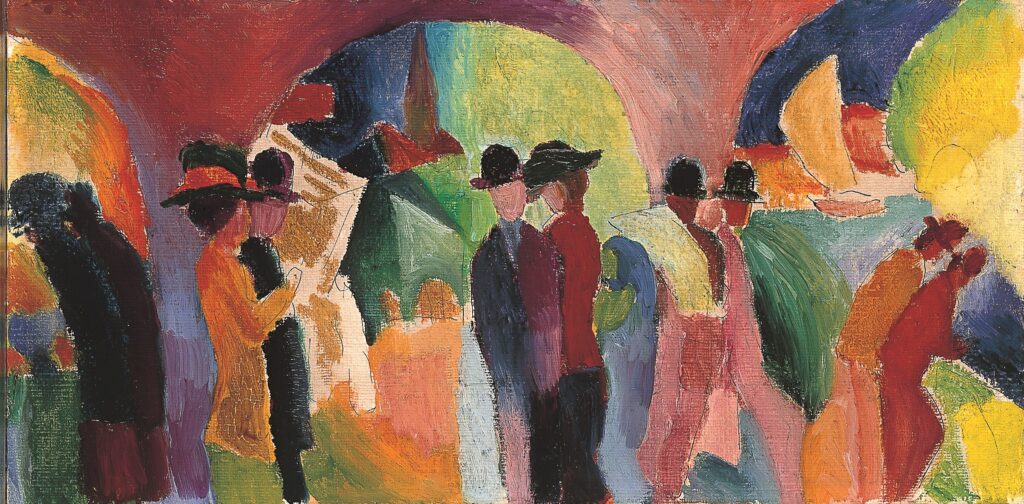
Set alongside paintings by August Macke, Robert Delaunay, Franz Marc, Wassily Kandinsky and Gabriele Münter, Klee’s close ties to the artists’ collective around Der Blaue Reiter become clear, and his position between inspiration and artistic individuality can be traced. As directly and lastingly as the creative and intellectual influence of his surroundings helped him find his unmistakable style, he stands artistically alone in the way he assigns his picture titles.
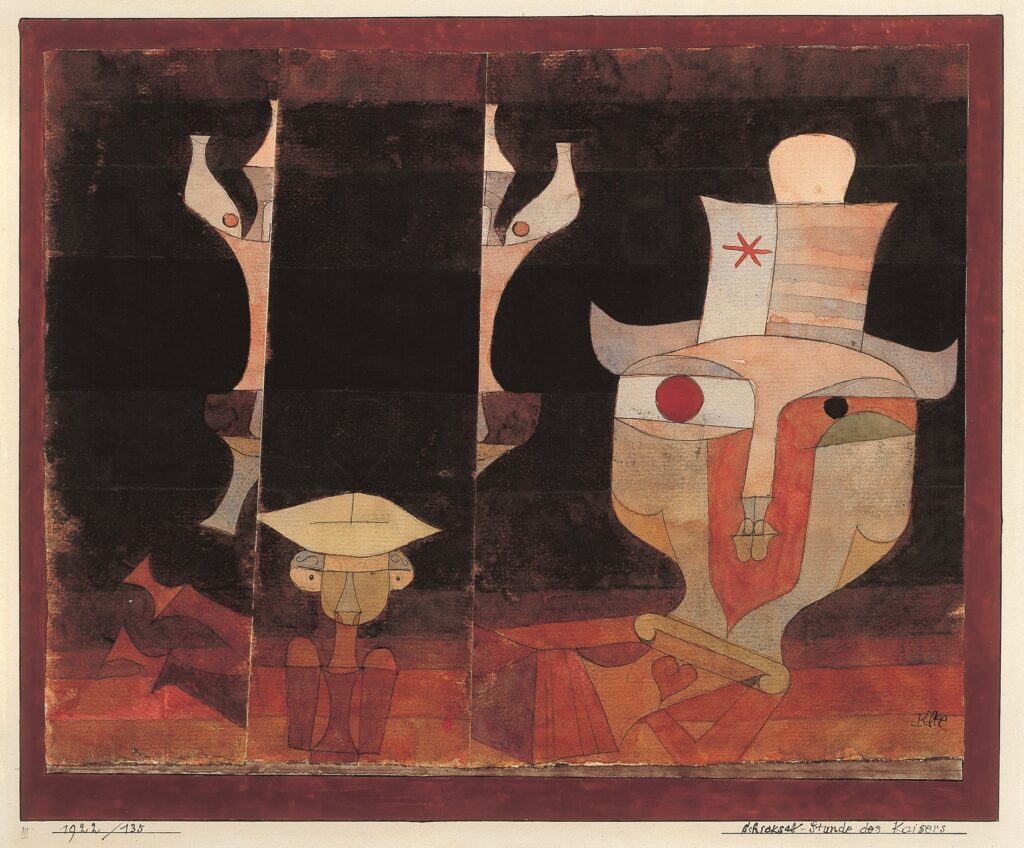
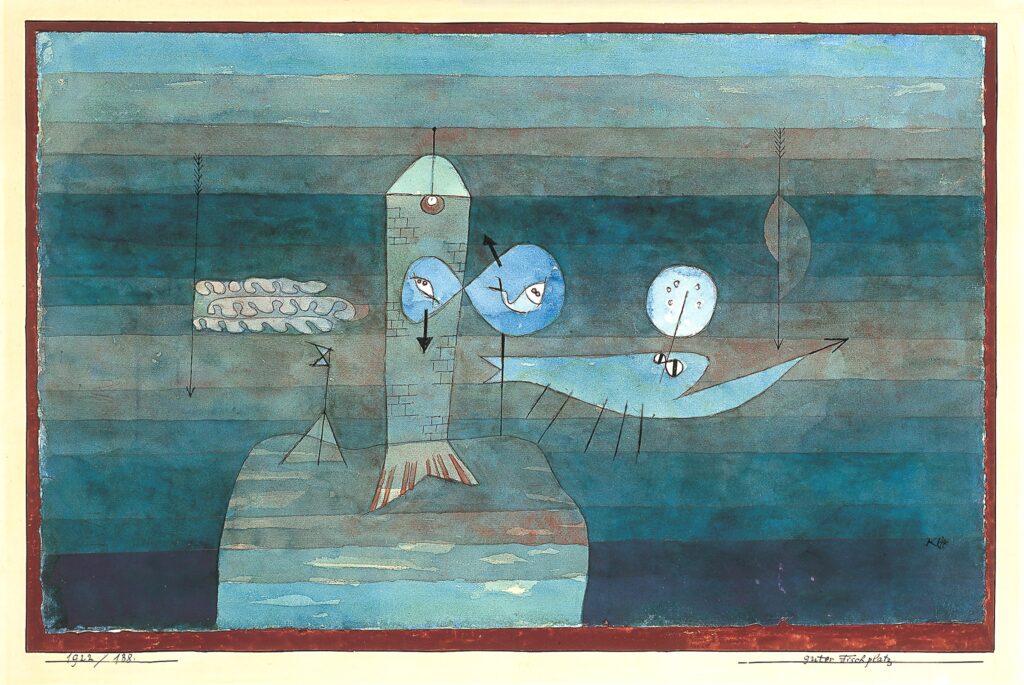
Art historians, collectors and dealers like to place Klee’s imaginative titles close to poetry: Rhythmie der Fenster und Tannen (Rhythm of Windows and Firs), Guter Fischplatz (Good Fishing Spot), Das Fest der Astern (The Feast of Asters), Ein Genius serviert ein kleines Frühstück (A Genius Serves a Small Breakfast) and also Schicksal-Stunde des Kaisers (The Emperor’s Hour of Fate) are titles whose motifs become clear only through further engagement with the work.
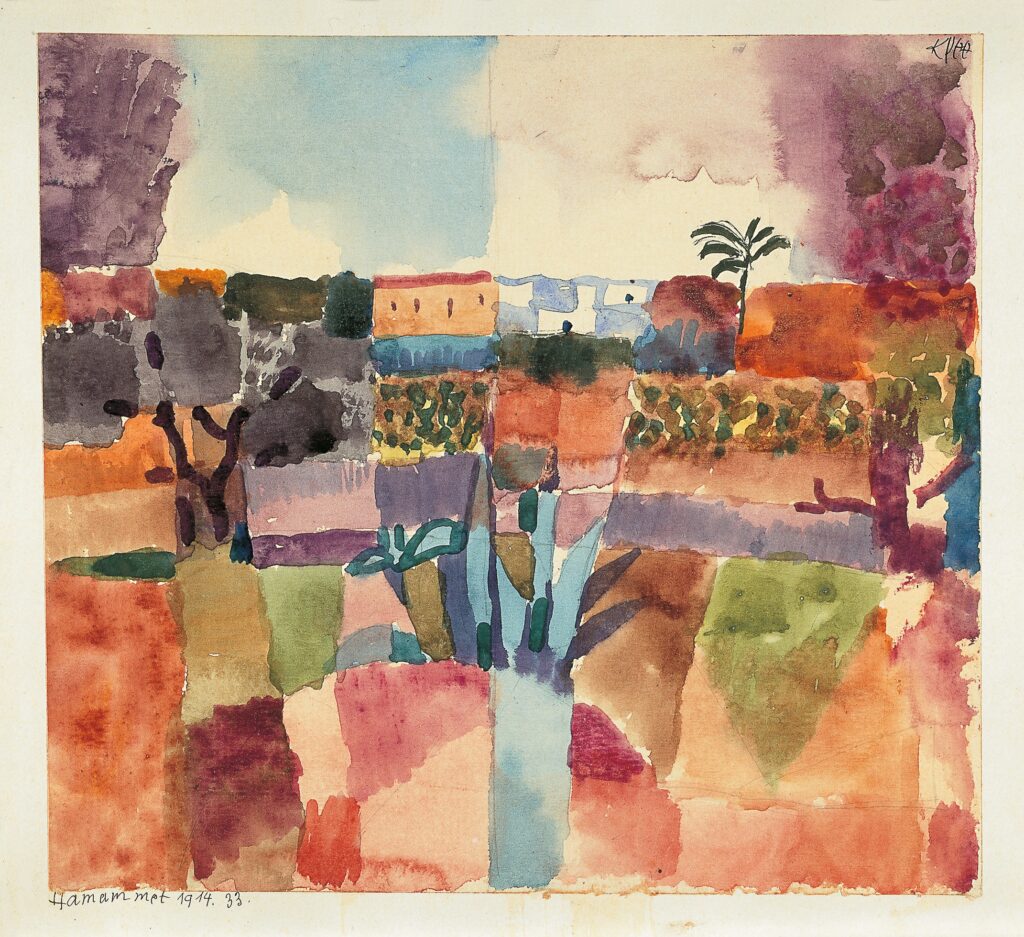
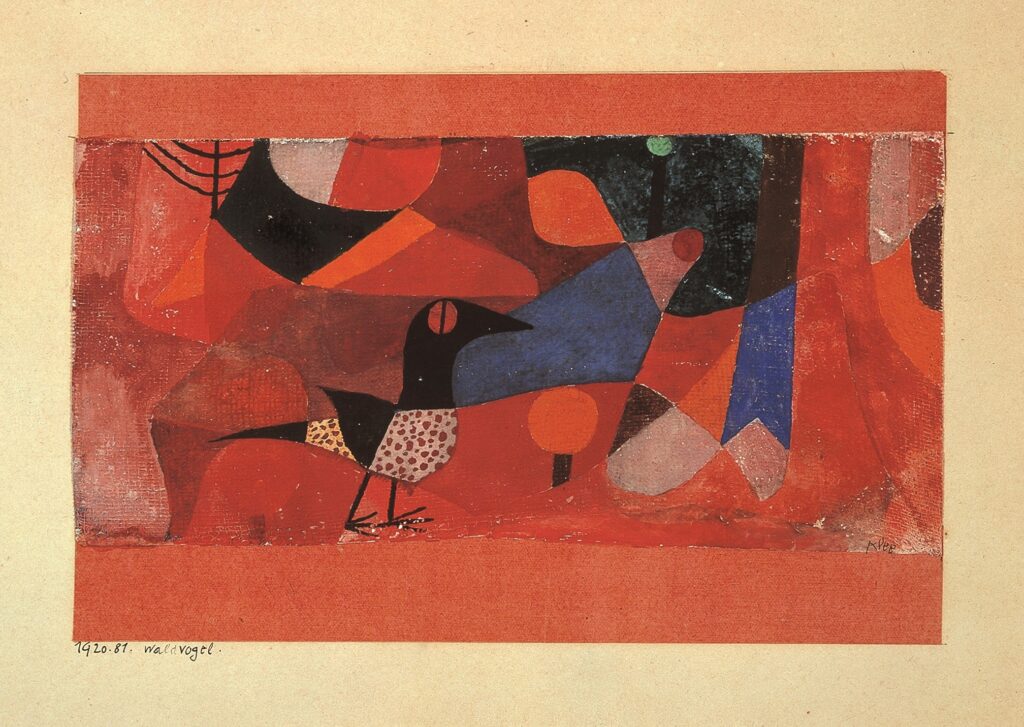
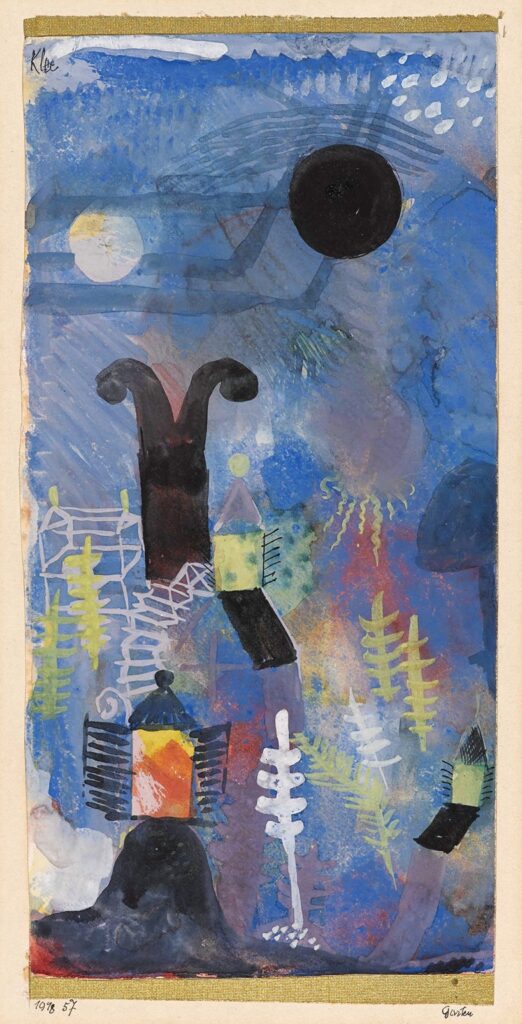
The selection of works sheds light on almost every phase of Paul Klee’s development. The exhibition begins with Klee’s watercolour Hamammet, created in 1914 during the joint trip to Tunisia with August Macke and Louis Moilliet. It leads on via the so-called cut-up works such as Garten (Garden), 1918, and Schicksal-Stunde des Kaisers, 1922, to later works such as Städtebild Graben (Cityscape Ditch), 1931, and Figur im Garten (Figure in the Garden), 1937.
