Around Lake Schwielowsee
The Havelland Artists’ Colony (Ferch)
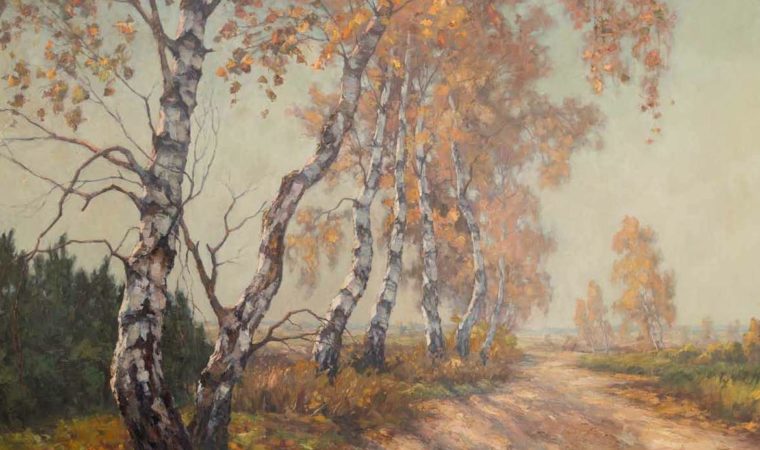
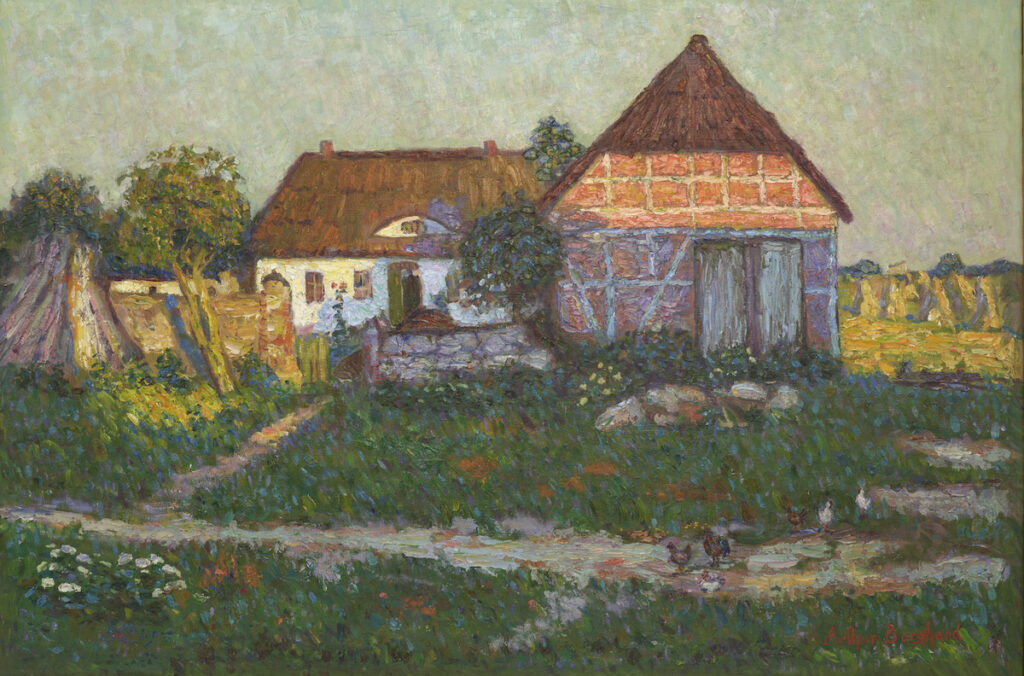
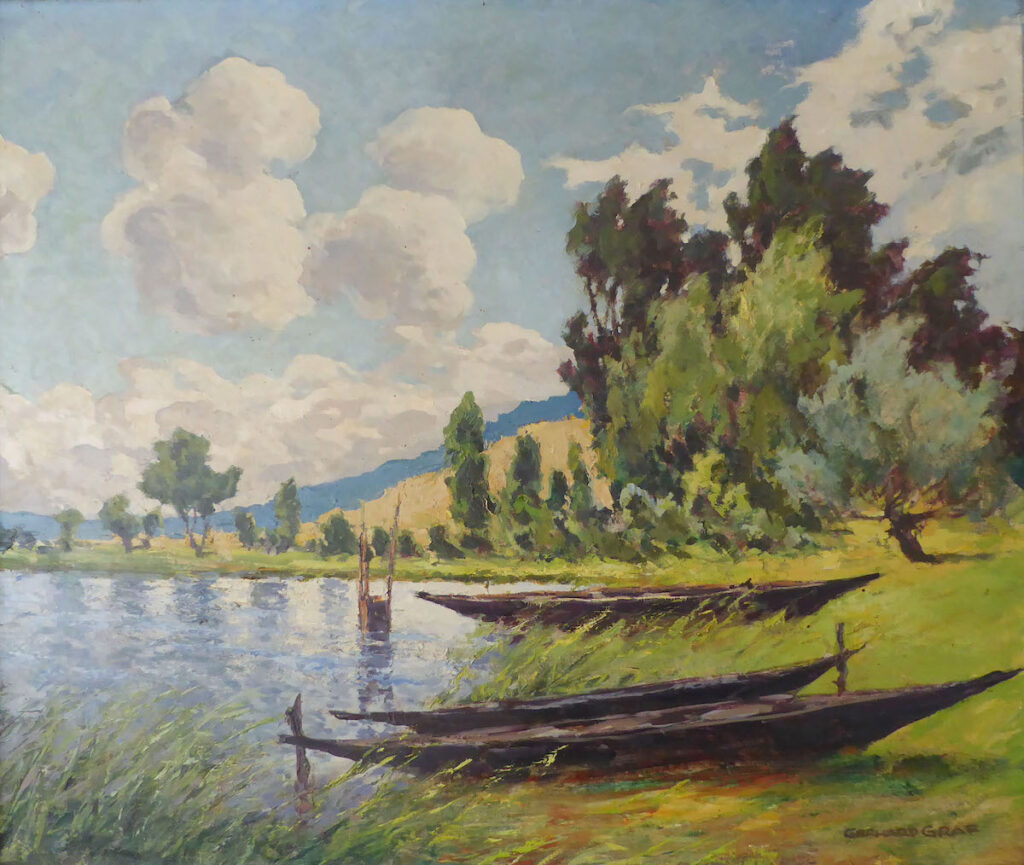
The region around Lake Schwielowsee, situated between Berlin and Potsdam, developed at the end of the 19th century into an important destination for artists. Improved transport links opened up the landscape of the River Havel, its lakes, forests, and meadows as new pictorial subjects, giving rise to what became known as the Havelland artists’ milieu.
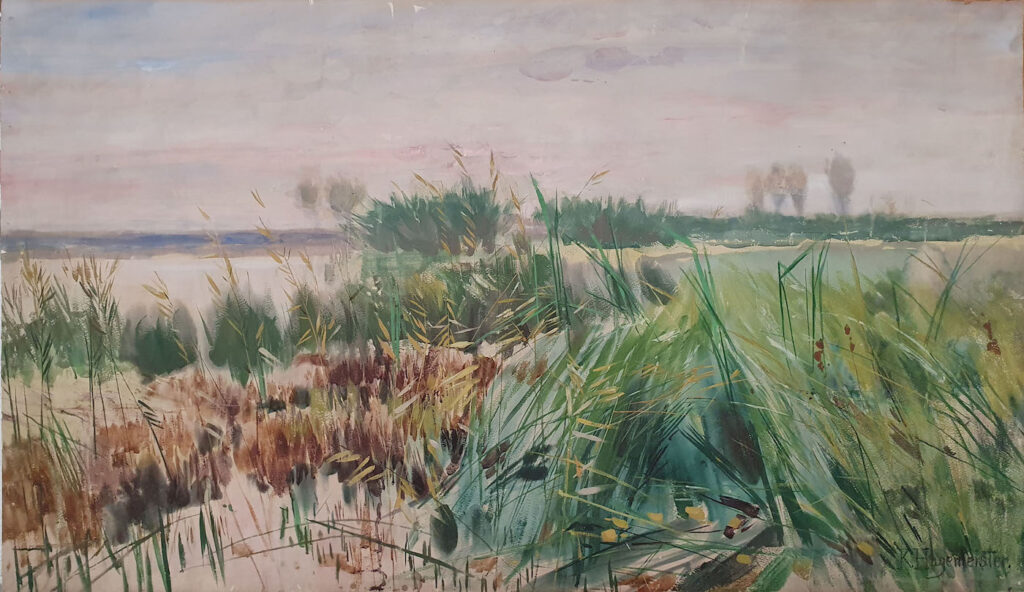
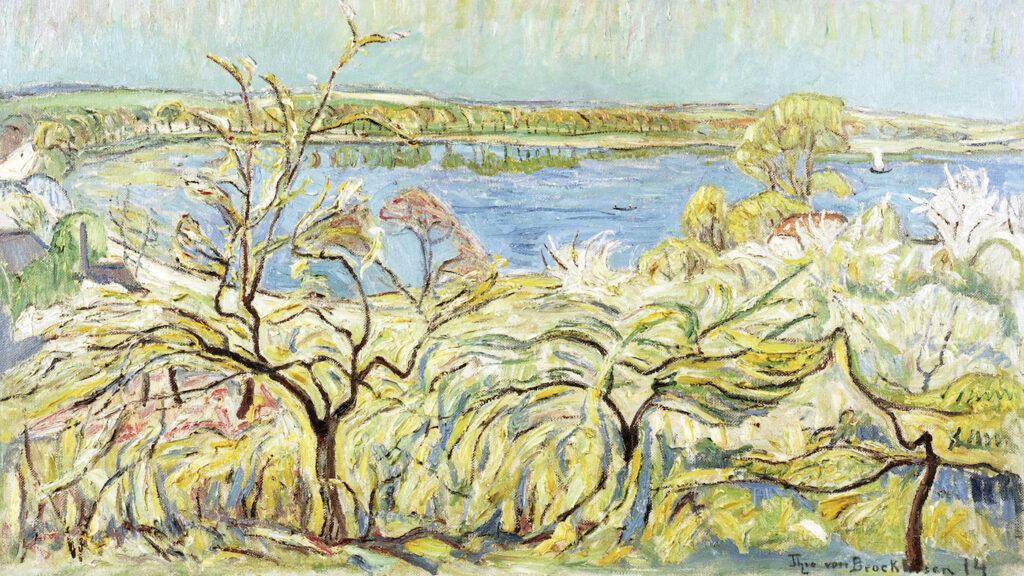
Early key figures such as Karl Hagemeister and Carl Schuch are regarded as founders of this artistic tradition. Hagemeister, born in Werder (Havel), and Schuch explored the region together, establishing Ferch and its surroundings as a site for direct engagement with landscape painting. Later artists, including Theo von Brockhusen, continued this tradition by focusing on modern transformations of the landscape, such as the new steel bridge at Baumgartenbrück.
Ferch also became a cultural meeting point for writers and artists, including Theodor Fontane and Marie Goslich. Local inns and artist-run spaces, such as the historic “Haus am See,” served as important gathering places for creative exchange.
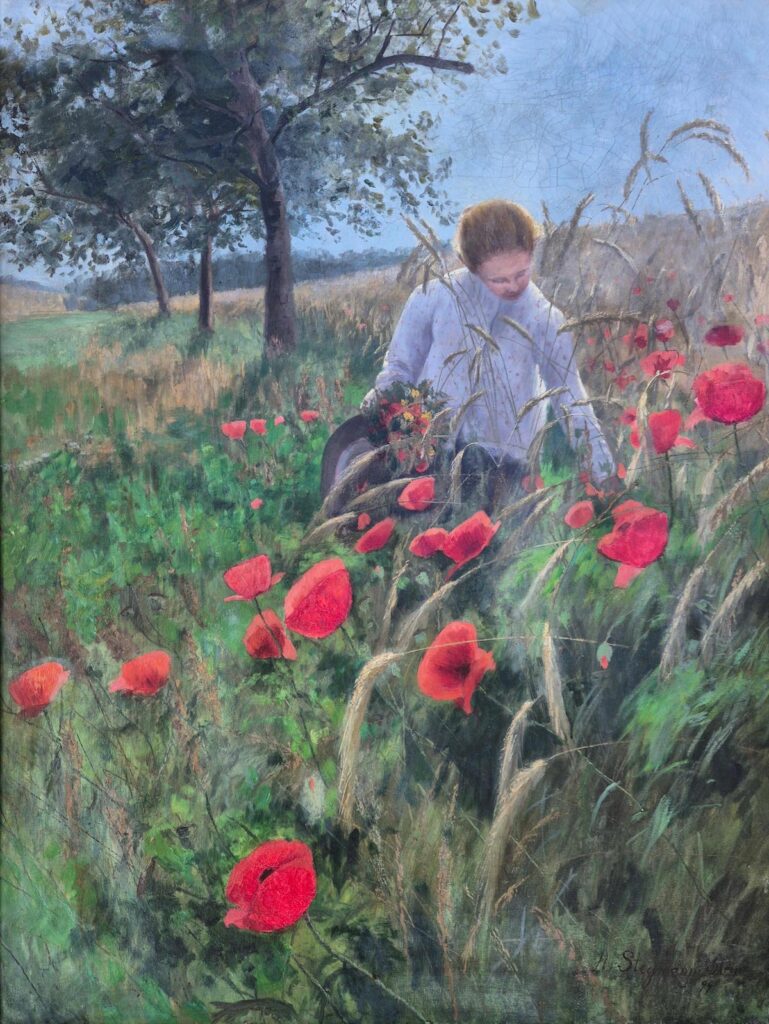
A second generation of artists emerged through the teaching of professor Eugen Bracht at the Berlin Academy of Fine Arts, promoting plein-air painting and atmospheric landscape studies. His students developed a freer, more impressionistic approach to nature.
Today, the Havelland artists’ colony continues to inspire artistic work in the region, including Caputh, Ferch, Geltow, and Werder. Since 2002, the Förderverein Havelländische Malerkolonie has worked to preserve this heritage. A dedicated museum opened in 2008 in a historic thatched half-timbered building.
The Havelland artists’ colony is now part of the European network euroart, connecting 46 artist colonies across Europe. A current cooperation between Ferch and Heikendorf has resulted in reciprocal exhibitions, including a presentation at the Künstlerhaus museum and a counterpart exhibition in Ferch (2026–2027).